Skip to content
Cart /
$
0.00
0
No products in the cart.
Return to shop
93 Wollongong St Fyshwick Canberra
Open Wed - Sun 10am - 4pm Phone (02) 6228 1988
Search for:
93 Wollongong St Fyshwick Canberra
Open Wed - Sun 10am - 4pm Phone (02) 6228 1988
0
Cart
No products in the cart.
Return to shop
Home
Antiques
Interior Screens
Benches
Cabinets
Carved Panels
Carving
Chairs
Jewellery Boxes
Stools
Tables
Tea Plant & Washbasin Stands
Timber Window Panels
Exhibitions
Current Exhibition
Upcoming Exhibitions
Recent Exhibitions
Seasons
Artists
Decor
Lamp repair Canberra
About us
Chinese Furniture Types
Our workshop
Our work
Traditional Chinese lacquer
Traditional Chinese joinery
Contact us
Exhibit with us
Home
/
Chinese antique furniture
/
Chairs
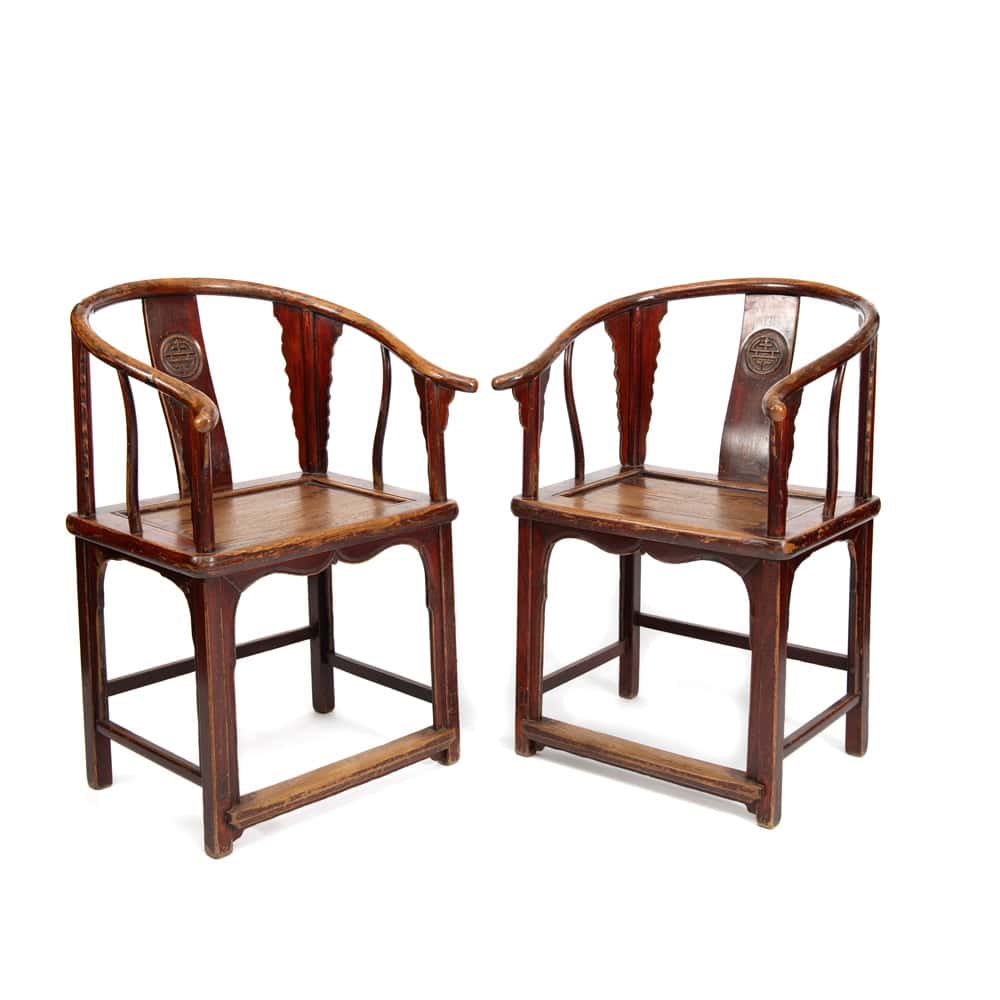
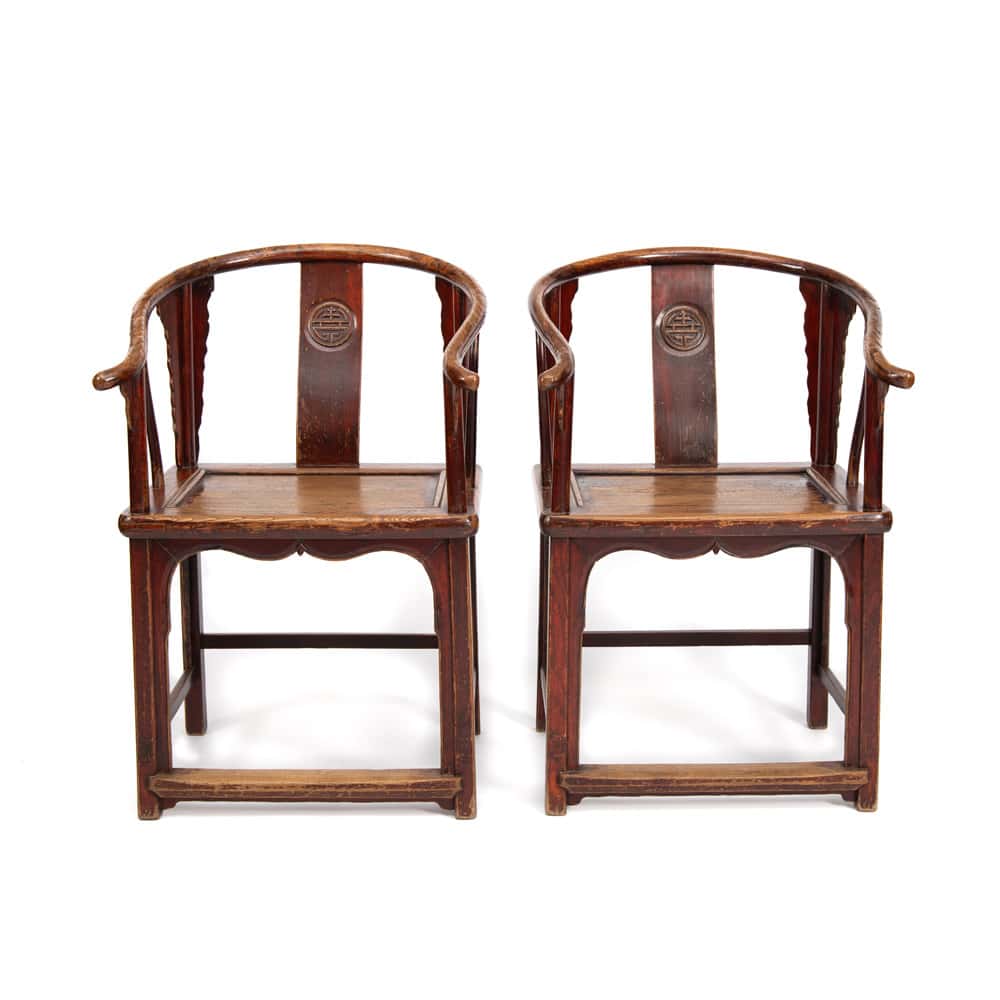
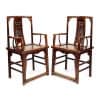
Horseshoe back armchairs
$
5,200.00
Price is for pair of chairs
19th century
elm wood
60cm wide x 46cm deep x 94cm high
Make an Enquiry
Categories:
Chairs
,
Chinese antique furniture
Search for:
Home
Antiques
Interior Screens
Benches
Cabinets
Carved Panels
Carving
Chairs
Jewellery Boxes
Stools
Tables
Tea Plant & Washbasin Stands
Timber Window Panels
Exhibitions
Current Exhibition
Upcoming Exhibitions
Recent Exhibitions
Seasons
Artists
Decor
Lamp repair Canberra
About us
Chinese Furniture Types
Our workshop
Our work
Traditional Chinese lacquer
Traditional Chinese joinery
Contact us
Exhibit with us
Login
Newsletter